
The 1973 OPEC Oil Embargo: Supply Security Lessons for Today's Traders
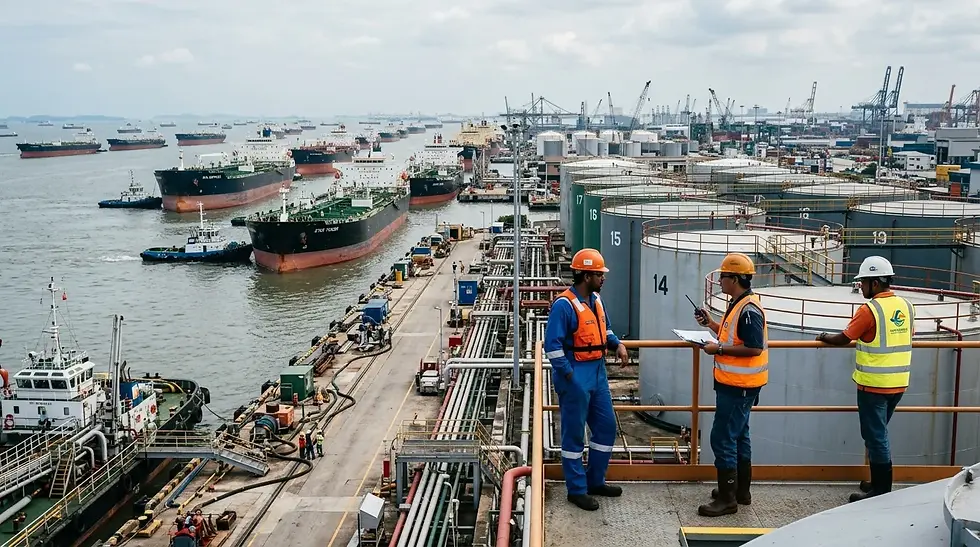
The 1973 oil embargo rewired trader thinking. Arab OPEC production was cut by 25 percent, some filling stations ran out of gasoline, and oil prices tripled, turning supply access into a commercial risk rather than a background assumption. (eia.gov)
For B2B buyers, traders, and procurement leaders, the lesson is still the same: physical availability, storage access, contract design, and policy response can matter as much as headline price. The market can price barrels quickly, but it cannot always deliver them quickly.
What the 1973 embargo changed
The embargo is often described as the first modern energy crisis because it exposed how dependent industrial economies were on imported oil. The IEA says it was created in response to the 1973 and 1974 oil crisis, when an embargo by major producers pushed prices to historic levels and exposed the vulnerability of countries that relied on imported crude. (iea.org)
In the United States, the response was not limited to rhetoric. DOE historical material shows that mandatory allocation legislation was used to distribute supplies more evenly and constrain price increases, while the EIA later noted that the Emergency Petroleum Allocation Act price controls were generally considered a failure and were eventually repealed. (energy.gov)
The lessons that still matter for supply security
Inventory is strategic optionality
Emergency stocks are not just a national policy tool. The IEA says member countries must hold oil stocks equivalent to at least 90 days of net imports, and that those stocks can be released collectively during severe disruptions to reduce the economic damage of a sudden supply crisis. In commercial trading, the same logic applies to tank access, liftability, and the speed with which inventory can actually be mobilized. (iea.org)
Concentration risk is the real multiplier
The EIA notes that major oil price shocks have repeatedly coincided with political supply disruptions, and that market participants always assess the risk of future disruptions and the amount of crude stocks available to absorb them. The practical lesson is simple: one supplier, one route, one grade, or one storage hub can become a single point of failure. (eia.gov)
Allocation rules can rewrite commercial terms
Once governments start allocating scarce barrels, the commercial playbook changes. DOE archival material from the crisis shows that authorities used allocation and price controls to distribute supplies and manage shortages, and that these measures quickly influenced how the industry priced and delivered product. Traders who operate across borders should therefore test fallback delivery terms, substitution options, and compliance checks before a disruption arrives.
At Nedjma, our NOOR-Trading division helps buyers test sourcing and contract structures against this kind of supply risk.
Price volatility starts with barrels, not screens
The EIA explains that many major oil price shocks have followed supply disruptions triggered by political events. Its historical review also showed how fast the market can reprice when supply confidence breaks, with crude prices rising from about 4 dollars per barrel in 1973 to about 29 dollars per barrel ten years later. That is a reminder that volatility is often a physical problem before it becomes a trading problem. (eia.gov)
Efficiency belongs in the security toolkit
The 1973 and 1974 embargo helped launch the fuel efficiency debate in Congress, and the Energy Policy and Conservation Act later required major gains in passenger car efficiency. The point for buyers and industrial consumers is not automotive history itself, but the broader principle: lower energy intensity reduces exposure when supply tightens. (eia.gov)
For a broader operating view, the blog archive covers related themes in oil trading, supply risk, and market structure.
A trader's matrix for stress testing supply security
Use the table below as a quick way to translate the 1973 lesson into a modern sourcing review. The goal is not to predict the next shock, but to make sure your commercial structure can absorb one.
Key signals, 1973 evidence, and trader takeaways
Risk area | What 1973 showed | What traders should take away |
|---|---|---|
Supply concentration | Arab OPEC production was cut by 25 percent, and shortages appeared quickly. | Keep multiple supply options, routes, and storage points so one shock cannot freeze the book. |
Government intervention | Allocation rules and price controls were used to manage shortages, and the EPAA controls were later seen as unsuccessful. | Build fallback language for delivery, substitution, and compliance so a policy shift does not derail execution. |
Inventory buffers | The crisis helped drive the IEA stockholding model and the U.S. Strategic Petroleum Reserve. | Measure not only volume, but how quickly inventory can be lifted, delivered, and monetized under stress. |
Market repricing | Historical EIA data shows crude rising from about 4 dollars per barrel in 1973 to about 29 dollars a decade later. | Separate physical risk from mark-to-market risk, because a supply shock can reprice the whole structure before volumes move. |
Demand resilience | Efficiency and conservation became part of the policy response after the embargo. | Lower energy intensity, better planning, and efficient operations reduce exposure when supply is tight. |
FAQ
What are the supply security lessons from the 1973 OPEC oil embargo for today's traders?
The biggest lesson is that supply security is a physical and contractual problem, not just a pricing one. The 1973 embargo showed how quickly shortages, allocation rules, and price spikes can overwhelm normal trade assumptions. Today’s traders should focus on inventory access, route optionality, substitution clauses, and emergency response readiness. The IEA stockholding framework and the EIA’s historical account of political supply shocks both point in the same direction: resilience comes from flexibility, not from assuming the market will always clear smoothly.
How did the 1973 oil crisis reshape global oil markets and what should traders learn about price volatility?
The crisis helped push the global market toward strategic stocks, demand restraint, and more explicit energy security policy. The founding of the IEA and the creation of the U.S. Strategic Petroleum Reserve both trace back to that shock. For traders, the core volatility lesson is that political disruption can reprice supply very quickly. The EIA notes that market participants constantly assess disruption risk and crude availability, which means physical tightness often drives price behavior before financial models catch up.
What role did government interventions like the Emergency Petroleum Allocation Act play during the 1973 embargo?
They were designed to ration scarcity and limit consumer pain. Allocation programs aimed to spread scarce supplies and hold down prices, but the price controls attached to them are widely judged to have failed and were eventually repealed. That history matters because traders cannot treat regulation as an afterthought. In a supply shock, rules on allocation, pricing, and distribution can affect liftings, netbacks, delivery timing, and compliance obligations all at once.
Are there any direct parallels between the 1973 embargo and current oil supply risks facing traders today?
The details are different, but the structural parallel is real. The IEA still describes oil security around stockholding, emergency response, and the ability to release barrels in a crisis, while the EIA says market participants continue to watch for political supply disruptions and the level of available stocks. The lesson is not that history repeats exactly. It is that concentration, low buffers, and weak contingency planning remain dangerous in any era. Traders who manage those three factors well are better positioned than those who rely on calm conditions.
What long-term policy changes emerged from the 1973 crisis that still influence energy markets for traders?
Three changes stand out. First, the U.S. created the Strategic Petroleum Reserve after the crisis. Second, the Energy Policy and Conservation Act pushed higher vehicle efficiency standards. Third, the IEA built a stockholding and collective response model that still frames emergency oil security. Together, these changes made supply security a permanent feature of market structure. For traders, that means policy monitoring is part of market intelligence, because emergency stocks, conservation policy, and allocation rules can all affect available volumes and delivery behavior. (energy.gov)
What now?
If your team is reviewing supply resilience, start with the NOOR-Trading division, revisit the corporate home page, check the company profile, or contact the team if you want to continue the discussion with Nedjma.


